
Moving It
Welcome to The Trust Times, our magazine about the science of building trust. How does trust move over time, and what moves it? In this issue, trust rose after cash tied to school, dipped in a crisis and came back, and showed no difference after a leadership course.
The first study we’ve highlighted is from Journal of African Economies. In Malawi, a lottery decided which areas received cash for girls and their households. Cash with no conditions did not clearly raise trust. Cash tied to staying in school did: the gain was significant about two years in and not about a year in, though the two estimates did not differ statistically.
The second study is from Journal of Trust Research. A national survey in Switzerland followed the same people and asked whether most people can be trusted. In an extra survey during the first pandemic spring, the average answer dipped. In the next regular survey, it was back where it had been. People who rated the government’s handling of the crisis lower were more likely to be among those whose trust fell.
The third study is from Human Performance. A hospital invited its lowest-rated supervisors to a course on authentic leadership behaviors, and a lottery decided who went first. Employees of trained supervisors reported no more trust in them than employees of supervisors still waiting. In a separate look at one group followed without a lottery, new employees’ trust was higher at four months and no longer reliably higher at six.
I chose these three because an advisor watching a client’s trust change has to guess two things: what moved it, and whether it will pass. Each study speaks to those guesses from a different angle.
Three more useful studies on trust next week.

Sources · Issue No. 18
About This Issue
Three peer-reviewed studies on how trust is built, retold in plain language. The “at your desk” sections are our editorial application, not claims made by the researchers.
How trust moves over time: it rose after cash tied to school in Malawi, dipped in Switzerland during the pandemic and was back within months, and did not rise after a leadership course for hospital supervisors.
In Issue #17 we covered three studies on how the people around us shape whom we trust. Read the previous issue.
Cash Tied to School Attendance Raised Trust Among Schoolgirls in Malawi, and the Gain Was Significant About Two Years In
In a lottery-assigned cash program in Malawi, girls and their households received cash tied to school attendance, cash with no conditions, or nothing. Among girls in school at the start, trust was higher about two years in where the cash came with the school condition. Cash with no conditions did not clearly raise it.
Mesfin, H., & Cecchi, F. (2024). Cash transfers and social capital: Evidence from a randomized controlled trial in Malawi. Journal of African Economies, 33(4), 411-434. DOI: doi:10.1093/jae/ejad017
Picture two communities in Zomba District, Malawi. A lottery picks one for a cash program, and the other gets nothing. Two years on, someone asks the girls in each community a plain question: can most people be trusted?
Hiwot Mesfin and Francesco Cecchi, researchers at two universities in the Netherlands, studied a Malawi cash program that was assigned by lottery. The program was set up to study how cash for schooling affects the health of young women. Mesfin and Cecchi used its data to ask a different question: what does the cash do to trust?

The trial
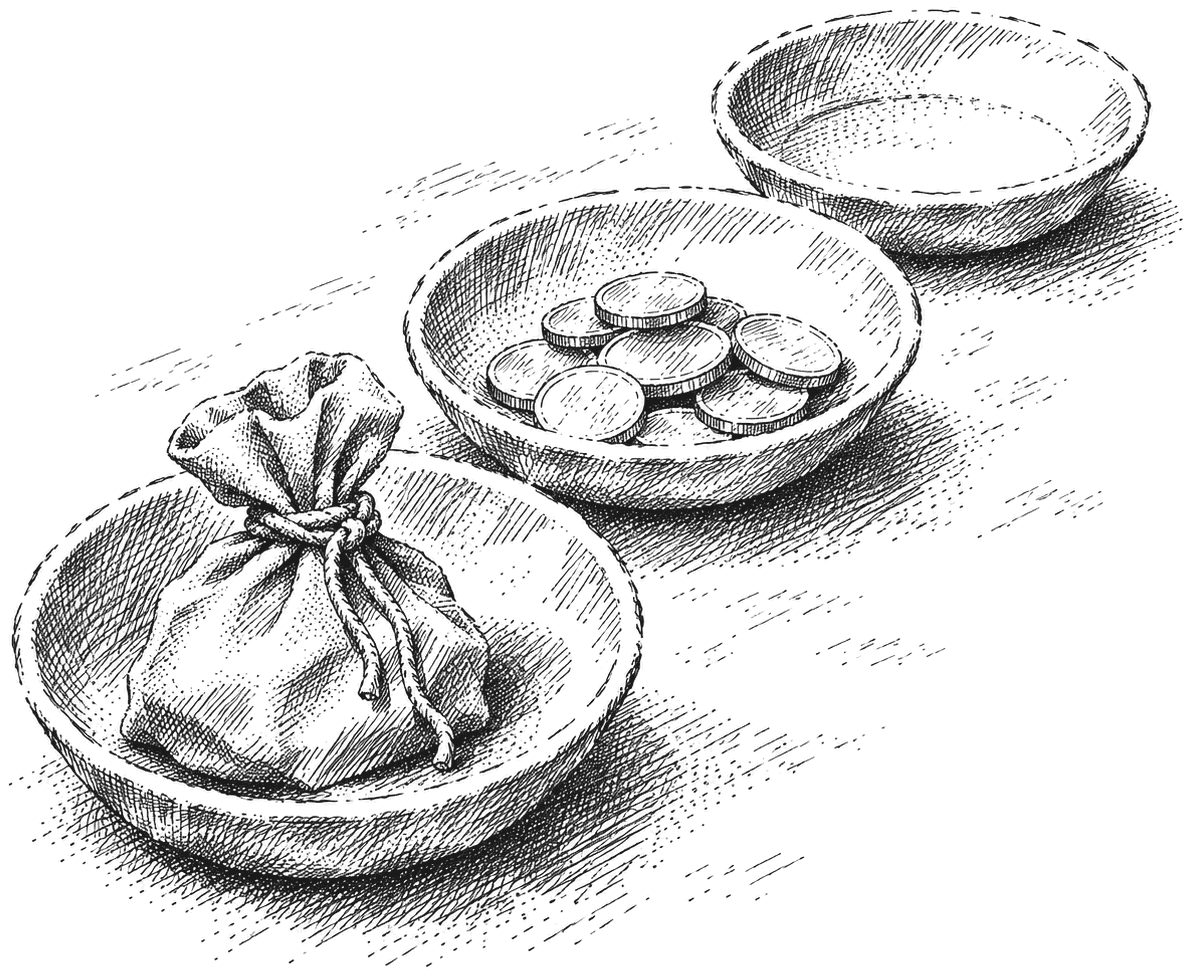
The trial covered 3,796 unmarried girls aged 13 to 22 in 176 areas. The lottery was drawn by area, not by household: 88 areas got the program and 88 did not. The program came in two versions. Some girls received cash tied to staying in school, which meant attending at least four days in five. Others received cash with no conditions. Girls who had already left school were offered only the school-tied version, so the comparison of the two versions covers the 2,284 girls who were in school at the start: 506 received school-tied cash, 283 cash with no conditions, and 1,495 none. The cash ran for two years.
Whether to attach strings is a live argument. People who favor conditions say a requirement steers the money toward goals that matter, though critics call it paternalistic and costly to monitor. People who favor cash with no conditions say it is cheaper to run and leaves families free.
Trust was measured with one survey question: whether most people can be trusted, or whether you cannot trust most people. The researchers also asked whether the girl had given gifts to other people. They checked both about a year in and again about two years in, after the payments had ended.
What they found
Cash tied to school attendance raised trust. The gain was significant about two years in and not about a year in, though the two estimates are not statistically different from each other. Among girls who were in school at the start, between five and six more in every hundred said most people can be trusted about two years in, against about one in five in the areas with no program.
Cash with no conditions did not clearly raise trust at either point. About a year in, the gap between the two versions could not be told from chance. About two years in, it was clear.
The authors report that the gain was concentrated among girls who began by agreeing, or neither agreeing nor disagreeing, that most people in their village are willing to help if you need it. It was clearest at the first check and only marginal at two years for cash tied to school, and the girls were not randomized into that split. Among girls who had already left school, school-tied cash had no effect on trust.
Gift giving
Gift giving, the second measure, rose about a year in: across the program areas, between two and three more girls in every hundred had given a gift. By the second check that rise had disappeared. Girls offered cash with no conditions gave more gifts early, but about two years in, three to four fewer in every hundred gave a gift. The paper also reports a drop of about three in every hundred among girls in program areas who were not offered the cash, across all girls in the study.
The authors read the trust gain as an extra payoff of school-tied cash, one more thing to weigh in the debate over conditions. They say future studies should check it in other places and with other measures of social capital.
What This Could Mean at Your Desk
This study is about girls and their households in Malawi, not wealthy families. But your clients hand money to the next generation, and the shape of a gift is something you help decide.
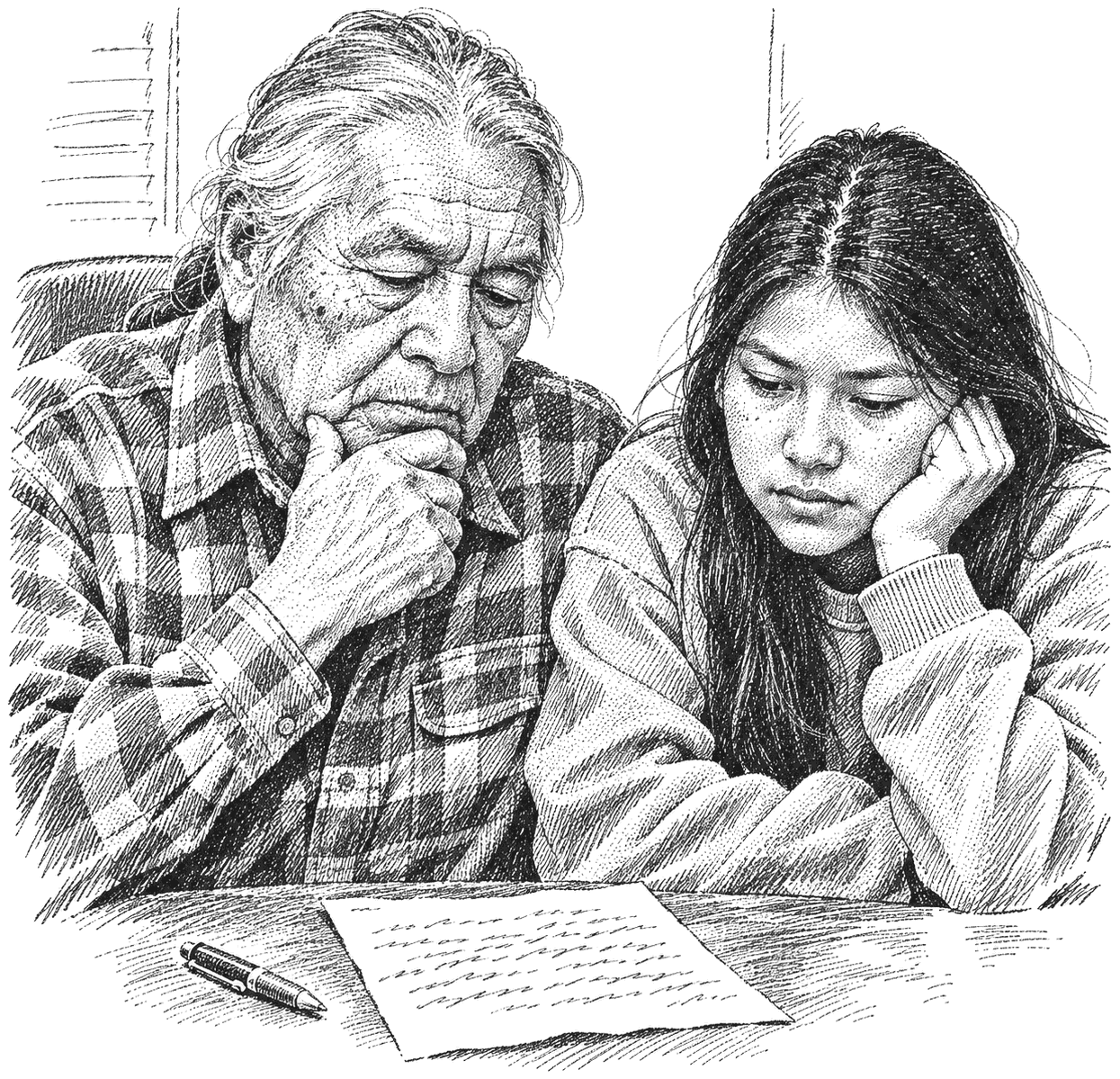
Ask what the gift is for before the check is cut. In Malawi, cash tied to school attendance raised trust among girls in school, and cash with no conditions did not clearly. A tuition payment made on enrollment, or a down payment tied to a first home, gives the recipient something to do and the giver something to see. When a client plans a large gift to a grandchild, it could be worth laying that option beside the no-strings one.
Start with the heirs who already expect help from the people around them. The authors report that the gain was concentrated among girls who began by agreeing that people in their village would help if needed, though that was clearest at the first check. Before a family meeting, it may be worth asking each younger member whether they expect help from the people around them. Those who do may be the ones a gift reaches.
Put a dated look-back on the calendar. In Malawi the trust gain was significant about two years after the program began and not about a year in, though the two estimates were not statistically different. A look-back two years out is our suggestion; the study did not test timing.
The bottom line
In a lottery-assigned trial in Malawi, cash tied to school attendance raised trust among girls in school at the start, and the gain was significant about two years in. Cash with no conditions did not clearly raise it, and among girls offered cash with no conditions, gift giving fell in the long run.
Answers to the Standard Trust Question Dipped in Switzerland During the Pandemic and Were Back Within Months
In a national Swiss panel that asked the standard question about trusting most people, the average answer fell in a spring 2020 pandemic survey and was back at its earlier level in the next regular survey. People who rated the government’s handling of the crisis lower were more likely to be among those whose trust fell, in a comparison made at a single point in time.
Saaranen, A. (2024). Social trust during the pandemic: Longitudinal evidence from three waves of the Swiss household panel study. Journal of Trust Research, 14(2), 188-212. DOI: doi:10.1080/21515581.2024.2385534
Imagine a respondent in a national Swiss panel, a survey that follows the same people over time. In the spring of 2020, while the government was lifting its pandemic restrictions, an extra survey asked a question the panel had asked before: in general, would you say that most people can be trusted, or that you can’t be too careful these days? The answer went on a scale from 0 to 10. The same question came again in the regular survey that followed.

Alexander Saaranen, a doctoral candidate in sociology at Lund University, used the Swiss Household Panel to see what the pandemic did to that answer. The study draws on 5,843 respondents and three surveys: the regular yearly survey that ran from September 2019 into March 2020, the extra pandemic survey, and the regular survey that ran from late August 2020 into March 2021.
The question
A shock can do three things to trust in strangers. It can leave trust alone. It can knock trust down for good, so that people settle at a lower level. Or it can knock trust down for a while, and people drift back to where they were. Saaranen set the three against each other. The difference matters when trust falls. A lower level that lasts is something to plan around. A dip that passes is something to wait out.
What they found
A dip that passed fit the data. In the extra pandemic survey, the average answer fell from 6.3 to 5.8. Most people held steady: about four in five showed no change by the paper’s yardstick for a real shift. About one in seven fell by more than that, and about one in twenty rose by more.
Then the average came back. In the regular survey that followed, it was 6.3 again, the same as in the 2019-20 survey. From 2008 to 2021, the panel’s yearly average stayed between about 6.2 and 6.4, and the pandemic survey was the one exception.
Saaranen points out one wrinkle in the wording. The question says you can’t be too careful, and in a pandemic some people may have read that as a reminder to be careful about infection, which could have pulled answers down.
Who fell
Within the same people over time, satisfaction with relationships, leisure and life in general lined up with smaller drops and faster recoveries. Age, finances, employment and health status did not predict who fell between the first two surveys. Worry about their own health or the health of people close to them did not set the fallers apart either, which Saaranen notes runs against findings from Norway and Germany.
Among the factors tested, how people judged the government stood out. People who agreed less that the Federal Council, Switzerland’s national government, had handled the crisis well were more likely to be in the group whose trust fell. The same was true of people who saw the limits on civil rights as problematic or unjustified, and of people who were unemployed.
That link is a weak one to build on. It compares people at one moment, in the pandemic survey, so it cannot show whether doubts about the government came before the drop in trust or after it. And the model as a whole explained very little of who fell, with a pseudo R-squared of .0235 among the 4,049 people it covered.
What This Could Mean at Your Desk
This study measured answers about trust in people in general, not trust in advisors, so the moves below are ours and have not been tested. But your clients lived through the same stretch.
Treat a sudden chill as a possible dip. In the Swiss panel, the average answer fell in the pandemic survey and was back by the next regular one. When a client turns guarded after a scare in the markets or the news, it could be worth a calm check-in a few months later before you read it as a lasting change in how they see you.
Ask how they think the crisis is being handled. Opinions of the government were among the factors tested and stood out among people whose trust fell, but the link was small and the study cannot say which came first. A client’s view of the people in charge, yours included, may be worth asking about directly.
Ask the same trust question the same way each time. The panel could see the dip and the return because it put the same question to the same panel at three points. One line at each review, asked in the same words, lets you see a dip and a return in your own clients.
The bottom line
In a national Swiss panel of 5,843 respondents, answers to the standard trust question fell in the spring 2020 pandemic survey and were back at their earlier level in the next regular survey. People who rated the government’s handling of the crisis lower were more likely to be among those whose trust fell, in a comparison made at one moment that cannot show which came first.
A Randomized Test Found No Difference in Employee Trust Between Trained Supervisors and Those Waiting
At a hospital in the southeastern United States, 50 supervisors were assigned by lottery to a leadership course now or about two months later, and 40 remained in the analysis. In two anonymous employee surveys, employees of trained supervisors reported no more trust in them than employees of supervisors still waiting, and rated their leadership behaviors no differently.
Spector, P. E., Howard, D. J., Eisenberg, E. M., Couris, J. D., & Quinn, J. F. (2025). The impact of authentic leadership behavior on employee trust, job satisfaction, and organizational commitment: An experimental evaluation of a workplace intervention in a healthcare organization. Human Performance, 38(4), 196-220. DOI: doi:10.1080/08959285.2025.2522437
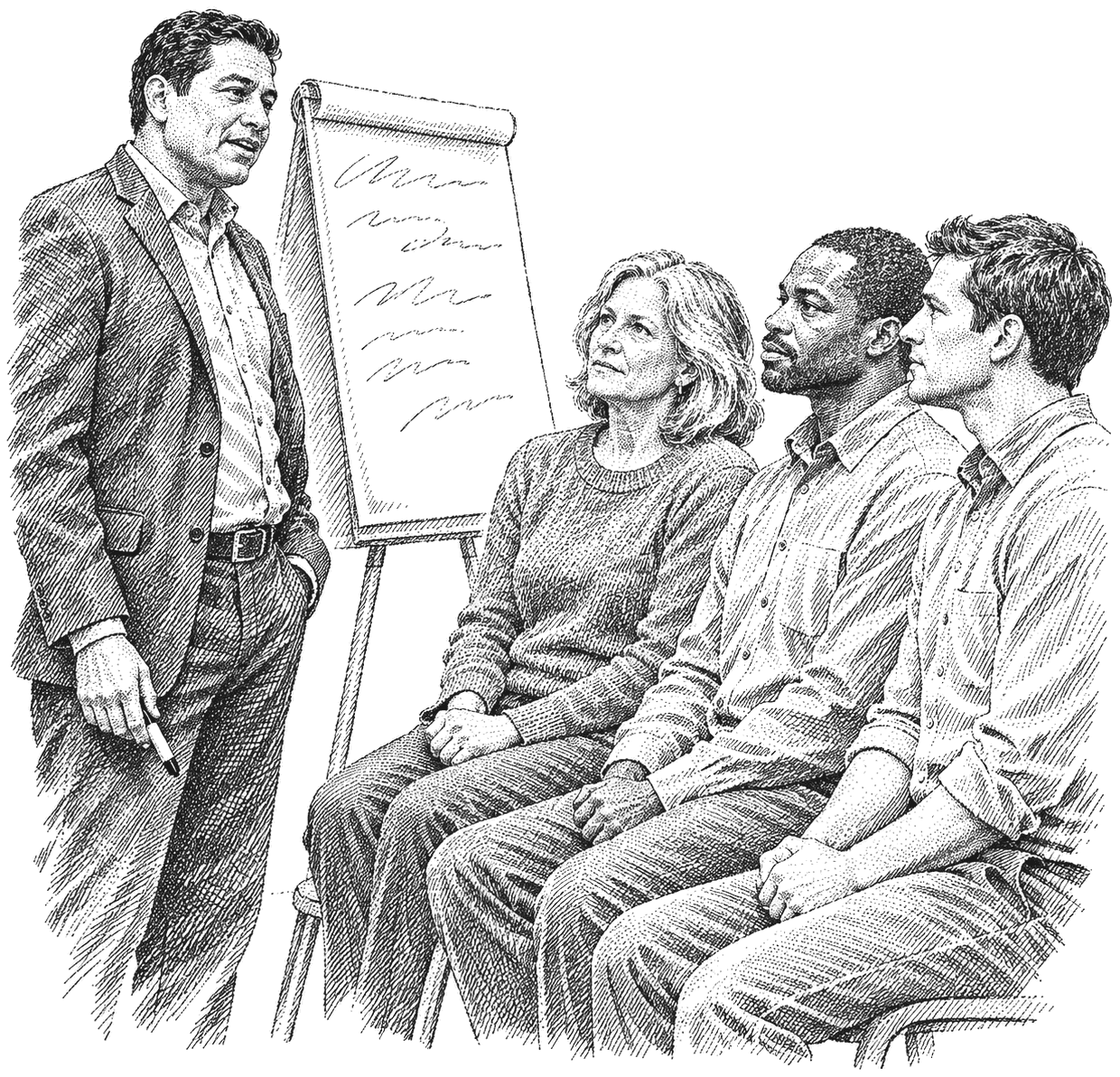
A hospital in the southeastern United States invited its 50 lowest-scoring supervisors, as rated by employees in its regular survey of leaders, to take a course on authentic leadership. A lottery decided who took the course right away and who took it about two months later.
Paul Spector and four colleagues wanted to know whether the employees who report to those supervisors would notice. The course trained authentic leadership behaviors. The researchers asked employees how much they trusted their supervisor, and also how satisfied they were with their jobs and how committed to the hospital.
The experiment
Before the course, employees’ ratings of their supervisor’s leadership behaviors and their trust in that supervisor lined up closely, with a correlation of .73.
The lottery gave half the supervisors the course first and the other half a place about two months later, which made them the comparison. After the draw, ten supervisors dropped out, seven of them from the waiting group, and two moved between groups, which left 20 in each group. The course was a four-and-a-half-hour session away from the hospital, then an accountability partner every two weeks for four months, and two follow-up sessions.

The employees answered anonymously and were not matched across surveys, so the survey before the course and the survey after came from different people: 256 answered the first, about one in seven of those asked, and 167 the second, about one in eight. Trust was measured with six statements rated on a seven-point agreement scale, such as “I have complete faith in the integrity of my leader.”
What they found
The lottery test showed no difference between the groups. Employees of trained supervisors reported no more trust in them after the course than employees of supervisors still waiting. Their ratings of the leadership behaviors did not differ either, and neither did their job satisfaction or their commitment to the hospital. The authors wrote that the course had no impact on trust, job satisfaction or commitment.
Two looks outside the lottery
The team also followed one group of supervisors through the training with no comparison group, surveying their employees at four points in time. These looks were not randomized. Across all employees, nothing changed over time. Among employees who were new to their supervisor, trust was higher at the four-month survey than at the start. By the six-month survey every average had slipped, trust was no longer reliably higher, and only one leadership rating, Balanced Processing, stood above where it began. That comparison also set new employees at four and six months against all employees at the start, so it mixed different people at different times.
In a third look, the researchers compared 38 trained supervisors with 59 untrained ones on the hospital’s regular leadership ratings. The trained group’s ratings rose more than twice as much. But the trained group started much lower, and the authors name regression to the mean as a possible reason: low scorers tend to score closer to average the next time, whether or not anything was done. The rating covers leadership quality in general, so it does not say whether the authentic leadership behaviors changed, and it is not a trust measure.
What This Could Mean at Your Desk
This study is about hospital supervisors, but the structure is familiar: you change how you work with clients, hoping they will trust you more.

Name the behavior you are changing, and ask about trust separately. The course trained authentic leadership behaviors, and trust was one of the outcomes measured. If you change how you run reviews, write down the one behavior that is different, then ask clients the trust question on its own a few months later.
Pilot on half, then compare. The hospital could compare trained supervisors with waiting ones because a waiting list gave it a comparison. Before rolling a new client program out to everyone, offer it to a random half of clients first and ask both halves the same trust question afterward.
Be slow to celebrate an early reading. In the one group tracked without a comparison, new employees’ trust was higher at four months and no longer reliably higher at six, though that comparison mixed new employees with everyone surveyed earlier. If a client’s response to something new looks good early, it could be worth a second look a few months on.
The bottom line
A leadership course for hospital supervisors, assigned by lottery, produced no difference in employee trust between trained supervisors and those waiting. Employee ratings of the leadership behaviors did not differ either, and response to the employee surveys was low.
The Trust Times is a running collection of independent, peer-reviewed research on how trust is built. Each issue distills a handful of studies into plain language, with a practical note on what it means in practice.