
Pitching It
Welcome to The Trust Times, our magazine about the science of building trust. When clients already believe you know your field, what are they still deciding about you? Read together, these studies point to three things clients may be weighing about you: whether you listen, whether you will work alongside them, and whether you will take the time to know them.
The first study we’ve highlighted is from Nature Human Behaviour. A survey of 71,922 people in 68 countries found that most people trust scientists. Nearly four in five said scientists are qualified, but only about two in five said scientists pay attention to others’ views, the lowest rating of the four qualities measured. The authors’ advice to scientists is to be more receptive to feedback.
The second study is from the Journal of Experimental Criminology. Police officers in a Mexican city knocked on doors with nothing to enforce. Whether they wore tactical or community uniforms made no difference. When they said a few words about working with residents on public safety, residents trusted the officer more, were more satisfied with the visit, and were more likely to report a problem on their street.
The third study is from Negotiation and Conflict Management Research. Two researchers reviewed studies of trust in business negotiations between people from different countries. They conclude that meeting in person can build more trust than meeting online, and that some negotiators extend trust at the first meeting while others expect it to be built before business starts.
I chose these three because in each one, the finding was about something other than the expert’s competence: whether the expert listens, works with them, and gives the relationship time.
Three more great studies on trust next week.
Sources · Issue No. 15
About This Issue
Three peer-reviewed studies on how trust is built, retold in plain language. The “at your desk” sections are our editorial application, not claims made by the researchers.
How an expert comes across once competence is taken for granted: people rate scientists as qualified but fewer than half say they pay attention to others’ views, a few words about working together outweigh a police uniform, and across cultures trust can take time and a meeting in person.
In our previous issue we covered three studies on the trust people feel and the trust they reason their way to. Read the previous issue.
Most People Called Scientists Qualified, but Fewer Than Half Said Scientists Pay Attention to Others’ Views
A survey of 71,922 people in 68 countries found that most people trust scientists. Nearly four in five said scientists are qualified, but only about two in five said scientists pay attention to others’ views, the lowest rating of the four qualities measured.
Cologna, V., Mede, N. G., Berger, S., et al. (2025). Trust in scientists and their role in society across 68 countries. Nature Human Behaviour, 9(4), 713-730. Open access: doi:10.1038/s41562-024-02090-5
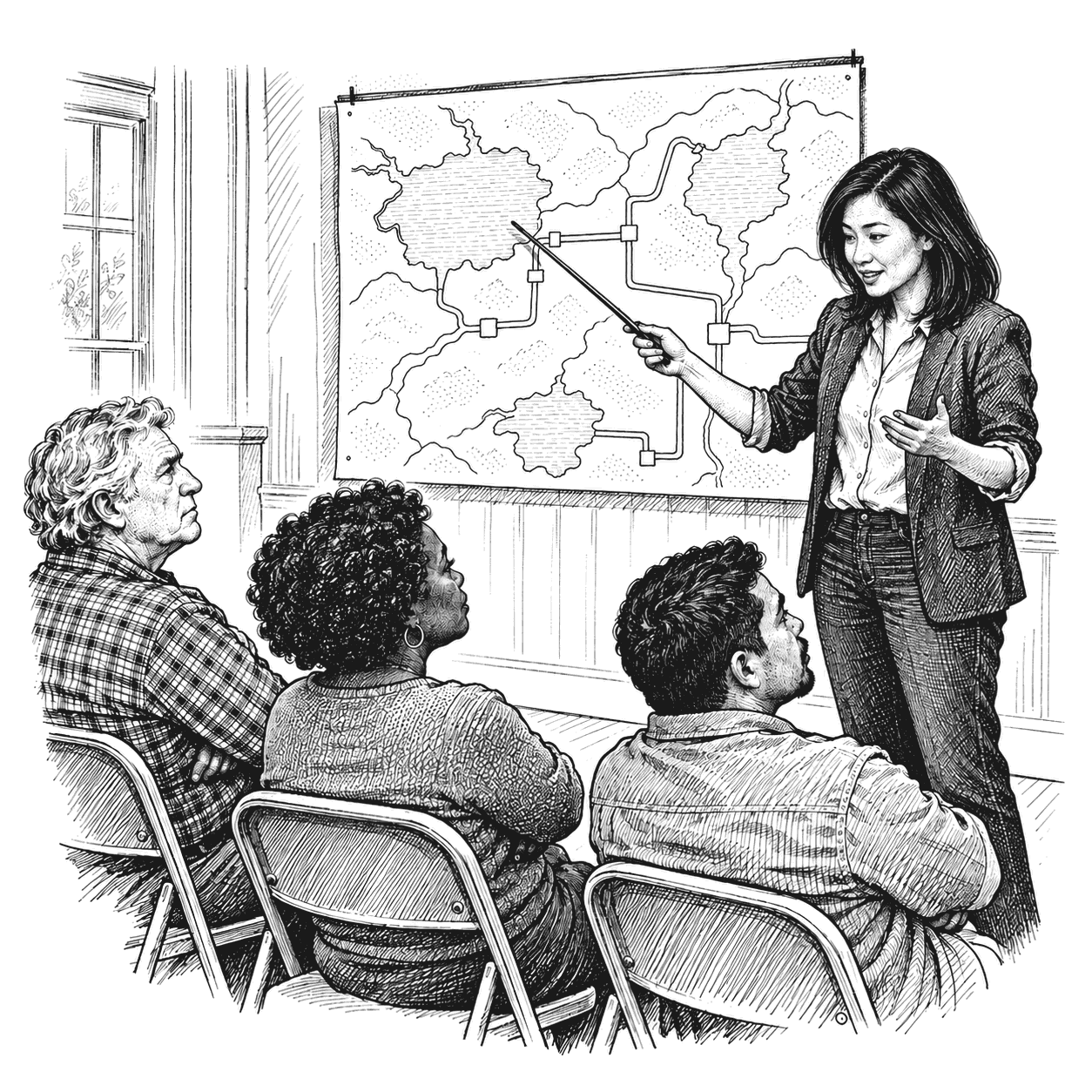
A researcher stands at the front of a town hall with a plan for the town’s water supply. Few people in the folding chairs doubt that she knows her field. What they are least convinced of is whether she wants to hear what they think of the plan.
A survey of 71,922 people in 68 countries suggests that is how much of the world sees scientists. A team of 241 researchers, with Viktoria Cologna and Niels Mede as lead authors, found that people rated scientists highest on competence and lowest on openness to other people’s views.
The survey
Between November 2022 and August 2023, the team surveyed people in 37 languages, in countries that together hold about four in five of the world’s people. Each country’s answers were weighted to match its population by age, gender and education.
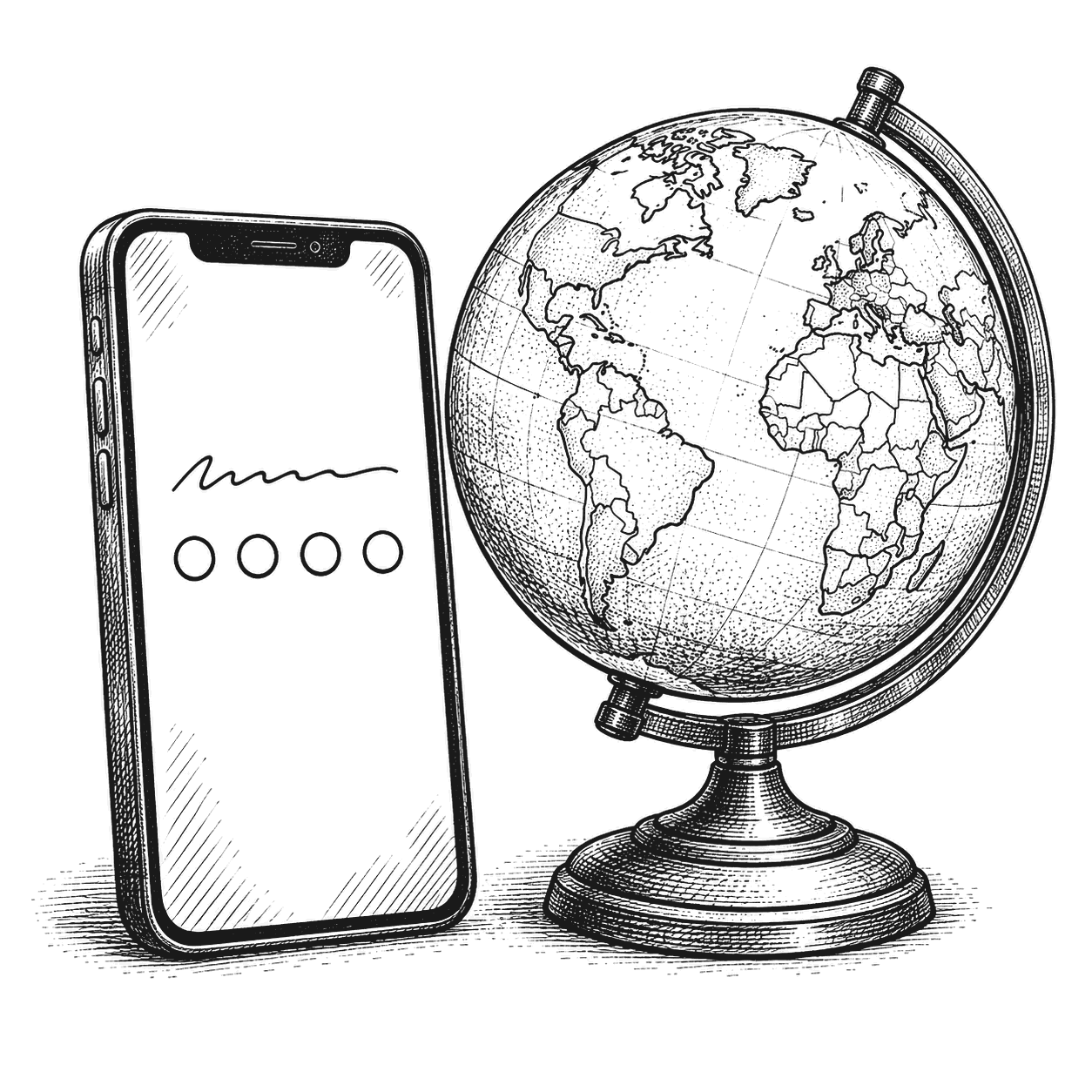
Nobody was shown anything or asked to choose between options. People answered twelve questions about scientists, covering four qualities researchers use to measure trustworthiness: whether scientists are competent, whether they are honest, whether they care about people’s well-being, and whether they are open to what others think. Openness was measured in part by asking whether scientists pay attention to others’ views.
What they found
The paper’s headline is reassuring for scientists. Most people in most countries trust them, and no country’s average fell on the low side of the scale.
The picture underneath that headline is less even. Nearly four in five people said scientists are qualified to do high-impact research. A little over half said most scientists are honest, and about as many said scientists care about people’s well-being.
Openness came last. About two in five people said scientists pay attention to others’ views somewhat or very much. Of the four qualities, openness had the lowest average rating.
The quality rated lowest
The authors describe the openness rating as only slightly below the ratings for honesty and care. But set beside competence, the gap is wide. Nearly twice as many people vouched for scientists’ qualifications as said scientists listen to others.
The authors’ advice follows from that gap. Scientists who want more of the public’s trust, they write, could be ‘more receptive to feedback’ and more open about who funds their work and where their data come from. They recommend against top-down communication and in favor of real dialogue, in which scientists take in the insights and needs of the people they are talking with.
People also said they wanted to hear from scientists. More than four in five agreed that scientists should talk with the public about science.
For the researcher at the town hall, the survey suggests her expertise is the part most of the room has already granted. The part still open is whether she will take the audience’s views into account.
What This Means at Your Desk
Stop proving the part clients already grant. Credentials, years in practice and an investment committee are the competence column. In this survey, that was the quality people granted most readily to scientists. Time spent proving it again may be time taken from the quality people rated lowest.
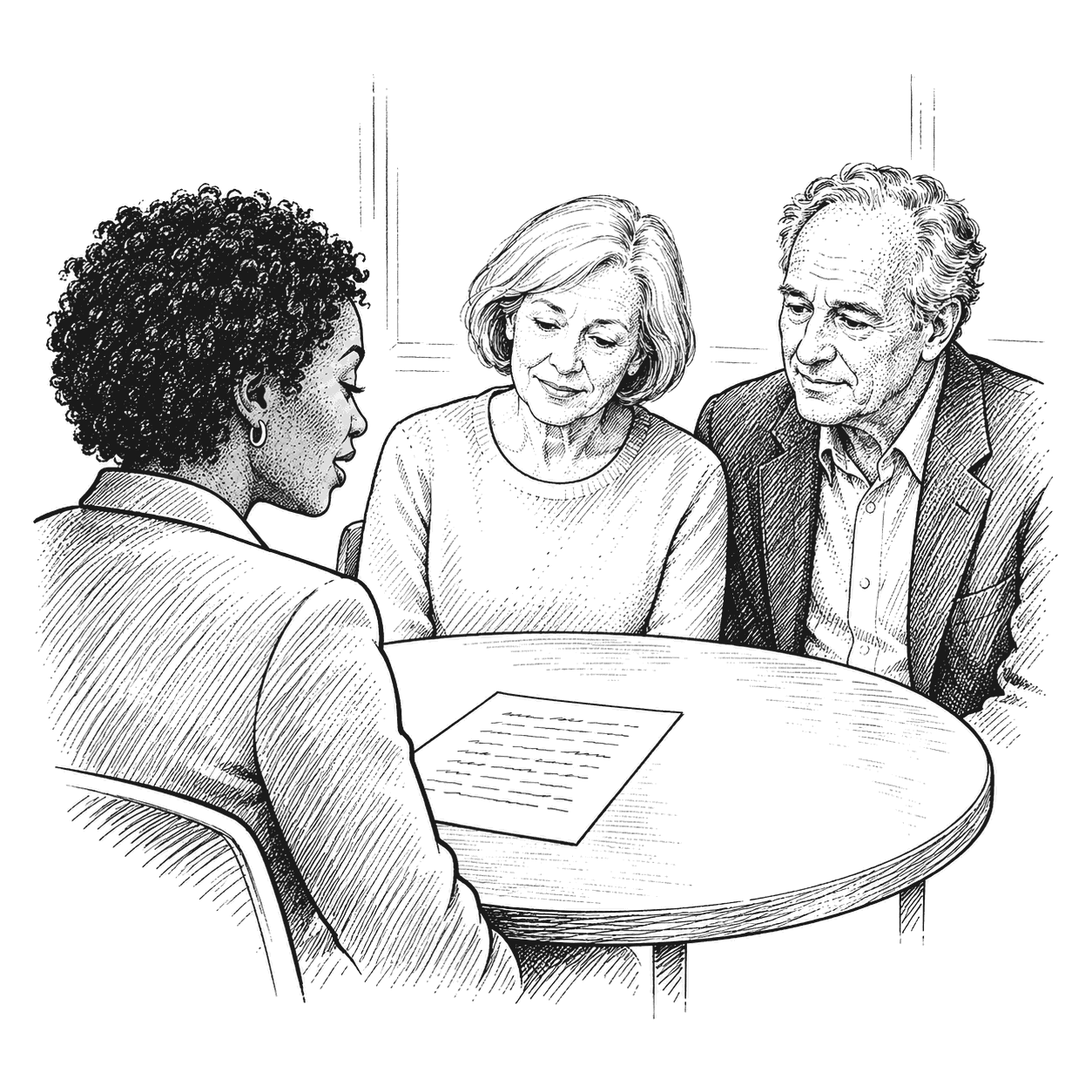
Show that you heard them. Open a review by reading back what the client told you last time mattered most, then point to what changed in the plan because of it. That gives the client evidence that you paid attention to their views, the quality people rated lowest in scientists.
Ask for feedback on how you work together, and act on some of it. The authors’ first suggestion for scientists was to be more receptive to feedback. One question at the end of each meeting, what would you change about how we work together, gives a client the chance to see that in practice.
Say who pays you before the client asks. The authors also suggested scientists be more open about their funding. For an advisor, that is a plain account of how you are paid, offered early.
The bottom line
Across 68 countries, most people trusted scientists, and nearly four in five called them qualified. Openness to other people’s views got the lowest rating of the four qualities measured, with about two in five saying scientists pay attention to others’ views. The authors’ advice to scientists is to be more receptive to feedback.
Officers Earned More Trust by Talking About Working Together Than by Changing Uniforms
Police officers in San Luis Potosí, Mexico, paid short visits to 980 households. Residents who heard a brief message about working together were more likely to report a local problem, and among the roughly 670 who answered the survey, they trusted the officer more and were more satisfied with the visit. Whether the officer wore a tactical or a community uniform made no difference.
Canales, R., & Santini, J. F. (2026). How police communication influences citizen perceptions and cooperation: A field experiment on community policing in Mexico. Journal of Experimental Criminology. Advance online publication. doi:10.1007/s11292-026-09740-w
In April 2021, a municipal police officer knocks on a door in San Luis Potosí, a city in central Mexico. Nobody called the police, and nobody is in trouble. The officer is there to visit, and the resident who answers has a few minutes to decide what to make of that.
Two researchers, Rodrigo Canales and Juan Francisco Santini, used visits like that one to test two ways police officers could present themselves: what they wore, and what they said. The uniform had no effect. A short message about working together raised residents’ trust in the officer at the door.
The visits
The visits were part of a community policing program in the city. Officers went door to door, stayed a short time, and enforced nothing. Across 980 households, the researchers varied two things at random.
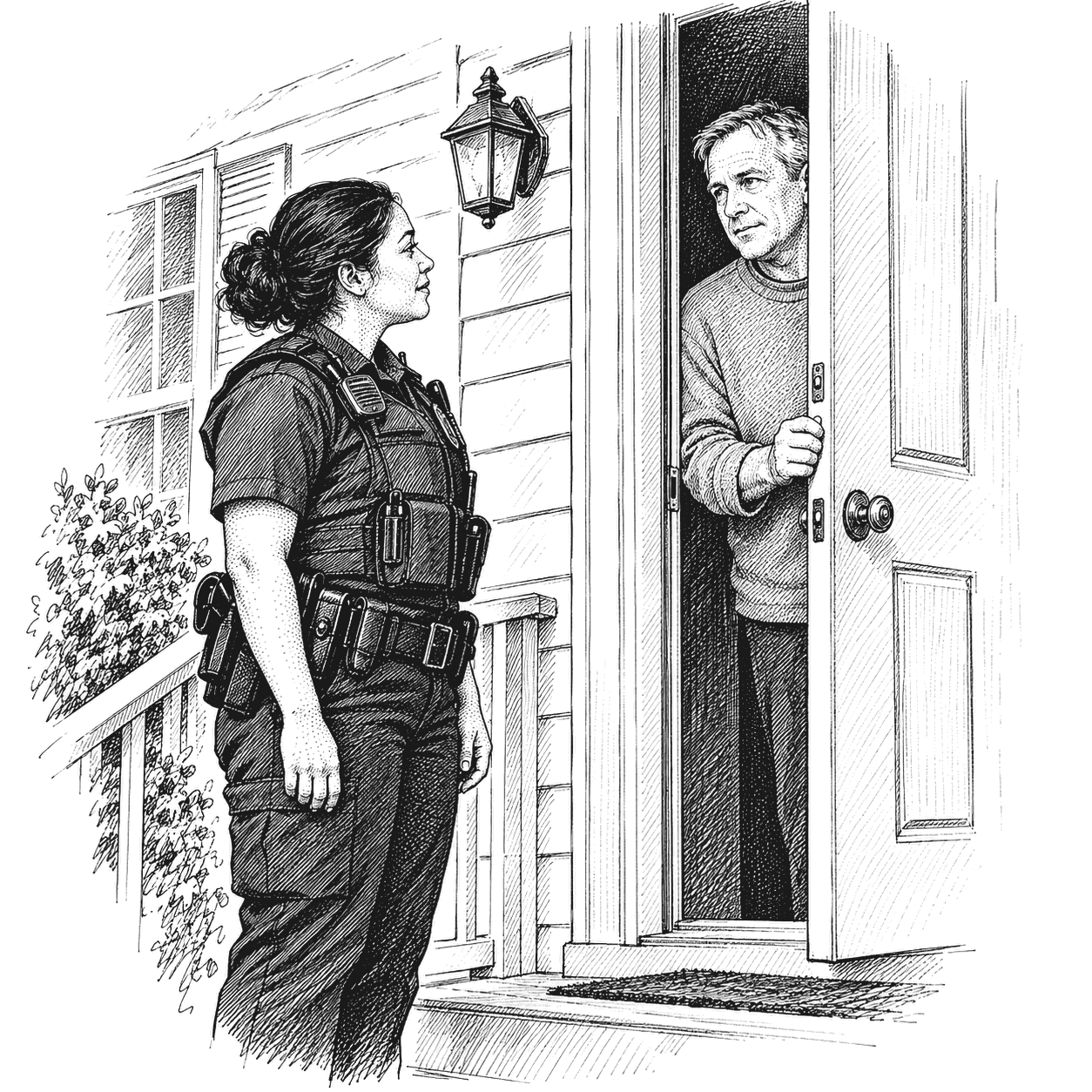
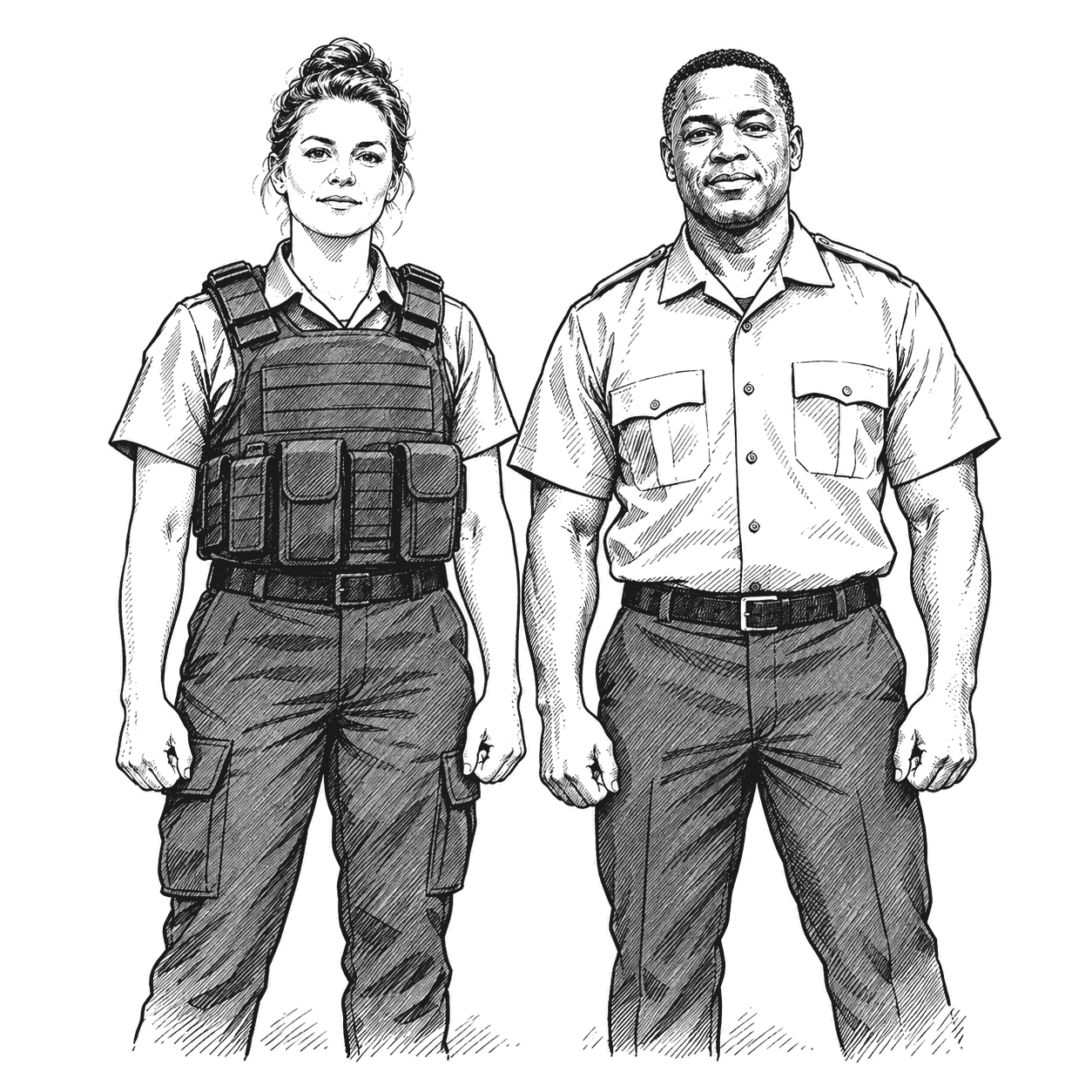
Some officers wore a tactical uniform. Others wore a uniform meant for community policing. Separately, some officers gave a short spoken message about working together with residents on public safety, and the rest did not.
During the visit, residents could tell the officer about problems on their street, from water cuts and potholes to robberies and noisy neighbors. They also answered a few questions in private: how far they trusted the officer, how far they trusted the police as an institution, and how satisfied they were with the visit.
What they found
The uniform had no effect. Residents visited by officers in tactical uniforms trusted them, rated the visit and reported problems about as often as residents visited by officers in community uniforms.
The message did make a difference. Residents who heard it trusted the officer more and were more satisfied with the visit. They were also more likely to name a problem on their street: about six households in seven named at least one, against about four in five without the message.
Trust in the officer, not the force
The rise in trust stayed at the door. Residents who heard the message trusted the officer in front of them more, but their trust in the police as an institution did not reliably change.
The authors’ conclusion is that what happens during a contact with the police matters, not only how often contact happens. A program can send an officer to every door on a street. What the officer says once the door opens is part of what the visit does.
For the resident in San Luis Potosí, whether the officer wore a tactical or a community uniform made no measurable difference. A few sentences about working together did.
What This Could Mean at Your Desk
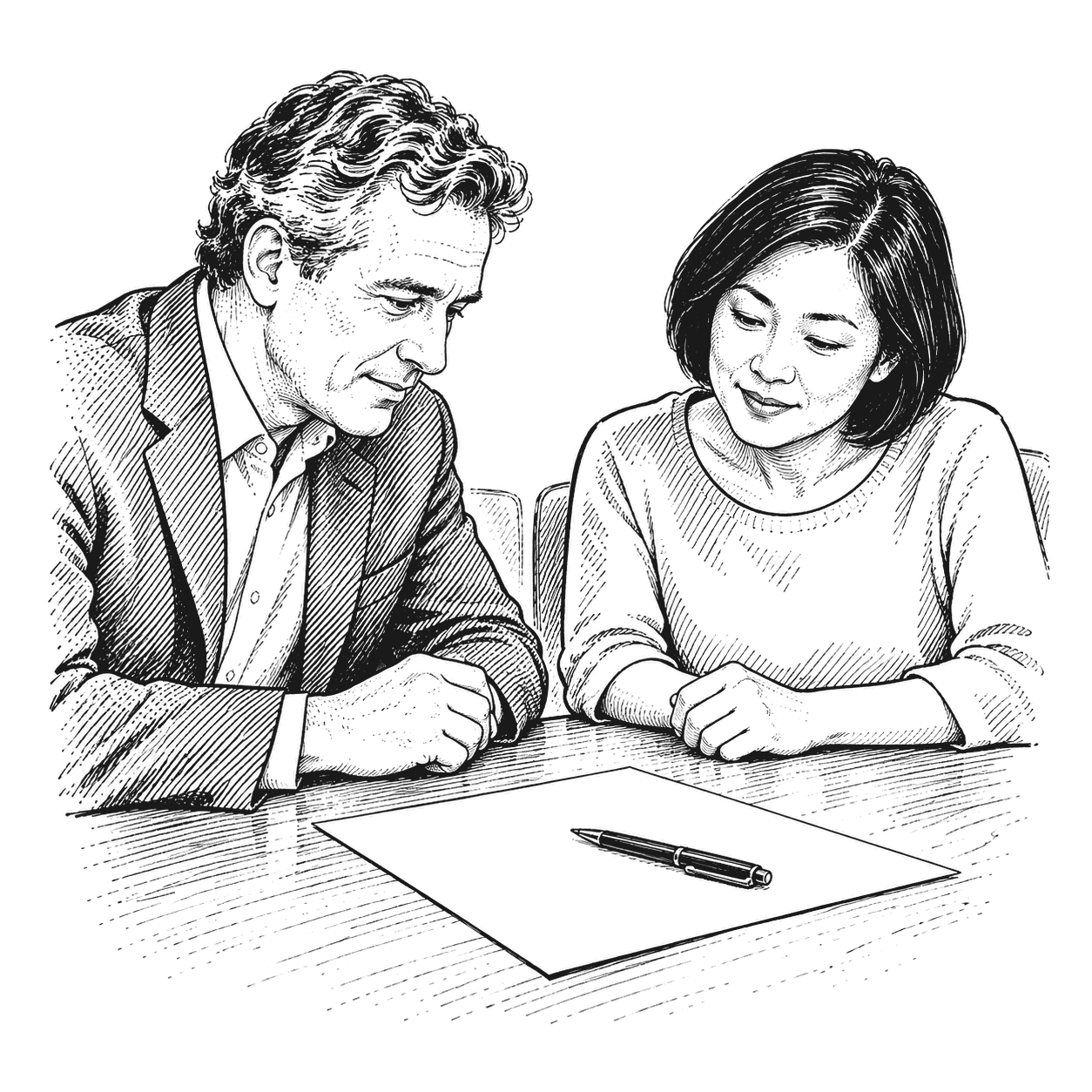
Say out loud that the plan is a joint project. The message that moved residents was about working together, and it was short. An advisor’s version might open a first meeting: we will build this plan together, and I need you to tell me when something in your life changes.
Don’t count on the setting to speak for you. The office, the suit and the leather folder are an advisor’s uniform. In the experiment, what the officer wore made no difference, and what the officer said did. The first few minutes of what you say may matter more than the room you say it in.
Introduce the rest of the firm by name. The message raised trust in the officer, not in the police force behind the officer. A client’s trust in you may not extend to your firm on its own. Introduce the colleagues who will handle the paperwork and the trading, and tell the client what each of them will do.
The bottom line
In door-to-door police visits in San Luis Potosí, a short spoken message about working together raised residents’ trust in the officer and their satisfaction with the visit, and made them more likely to report a problem on their street. Whether the officer wore a tactical or a community uniform had no effect.
A Review of 48 Studies Concluded That in Many Cultures, Trust Comes Before Business
Two researchers reviewed 48 studies of trust in business negotiations across national cultures. They conclude that negotiators from the West tend to trust first and check later, while in many other regions trust has to be built before business begins, and that meeting in person can build more trust than meeting online.
Sikorski, M. T., & Albrecht, A. (2025). Trust in the context of intercultural negotiations: A systematic review. Negotiation and Conflict Management Research, 18(1), 1-41. Open access: doi:10.34891/a0mc-jx98
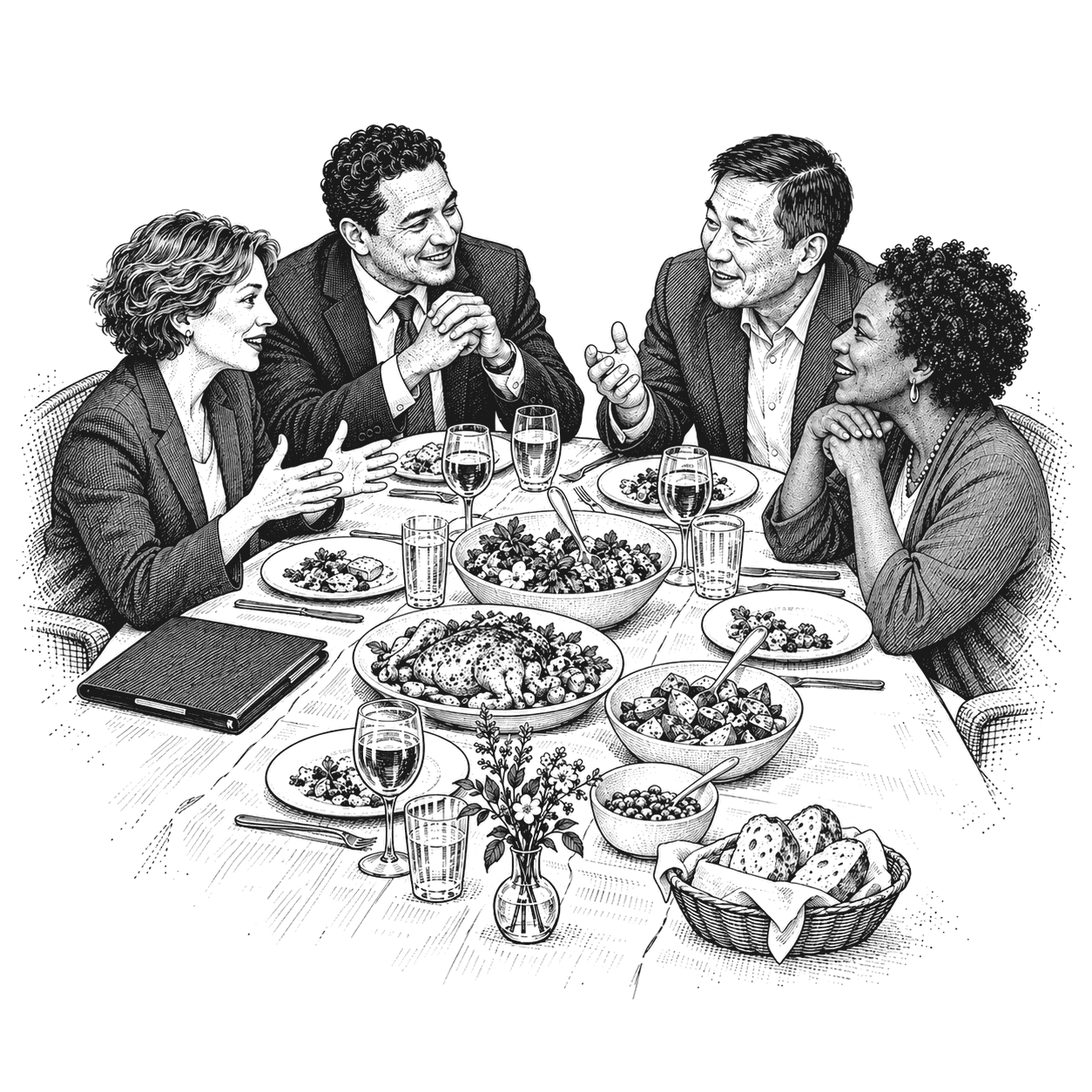
Picture a sales team from a European manufacturer flying in for two days with a prospective partner abroad. The visitors have a term sheet and a tight agenda. Their hosts have booked a long dinner and have no plans to discuss terms on the first day.
Mariusz Sikorski of Sheffield Hallam University and Arnd Albrecht of Munich Business School reviewed the research on trust in business negotiations between people from different countries. The review concludes that the visitors and the hosts may be starting from different assumptions about when trust comes, and that it matters where and how the two sides meet.
The review
The authors searched two large research databases, screened 602 articles, and ended with 48 that studied trust in negotiations across national cultures. They did not pool the numbers from those studies. They read the studies side by side and drew out what the research, taken together, suggests.
The review groups countries using the categories from the studies it covers: cultures researchers classify as high-trust or low-trust, and cultures with loose or tight social rules. Those labels describe starting assumptions in business dealings as measured in surveys and experiments, and the authors note that most of the research comes from Western and East Asian countries.

What the review concluded
Negotiators from the cultures the review calls Western tend to extend what researchers call swift trust. They trust a counterpart until the counterpart proves untrustworthy, and they tend to keep the small talk short.
In the Arabic-speaking world and Latin America, the review concludes, negotiations typically do not begin until a certain level of trust has been established, and it says trust building in African cultures takes more time. In those settings, the negotiation itself is a way of building trust. ‘Taking time is the price for building trust,’ the authors write.
The kind of relationship differs too. In East Asia and the West, the review finds, negotiators focus on professional relationships. In the other regions it covers, they focus on personal ones, and too much attention to the business and too little to the person can damage the relationship.
Meet in person, and adapt in moderation
The review concludes that face-to-face negotiations can lead to more trust than online ones, and recommends meeting counterparts in person, at least early in a business relationship. In one study it cites, more time spent on small talk went with higher trust.
On adapting to the other side’s customs, the review recommends a moderate amount. Too much can backfire. The authors recount a case in which one side added a negotiator of Asian origin to its team to foster trust, and the move raised suspicion and distrust in the other party instead.
The evidence on how much to adapt is mixed. One study the review cites, with Thai and Japanese participants, found that heavy adaptation did no harm, though it won no more favor than a moderate amount. The authors still land on moderate adaptation as their general recommendation.
For the visiting sales team, the review’s reading is that the long dinner is not a delay before the business. For their hosts, it may be the first part of it.
What This Could Mean at Your Desk
Ask how a new client expects trust to be built. Some clients arrive ready to trust you until you give them a reason not to. Others want to know you before they talk about money. Asking how they have worked with advisors and bankers before can tell you which pace to set.

Hold the first meetings in person. The review recommends meeting face to face early in a relationship. Video can carry the quarterly check-in later. The first few meetings may be worth the drive or the flight.
Adapt, but don’t perform. Learning a client’s customs, holidays and family structure is a form of respect. Copying them wholesale may read as a tactic. The review’s advice is to adapt in moderation.
Budget the time. A new-client forecast that assumes a family signs after two meetings may be wrong for clients who expect the relationship to come first. Plan for more meetings before the first account is opened.
The bottom line
A review of 48 studies concludes that negotiators from different cultures start from different assumptions about trust. The group the authors call Western extends trust quickly and withdraws it if it is abused, while negotiators in many other regions build trust before business begins. The review recommends meeting in person early and adapting to the other side’s customs in moderation.
The Trust Times is a running collection of independent, peer-reviewed research on how trust is built. Each issue distills a handful of studies into plain language, with a practical note on what it means in practice.